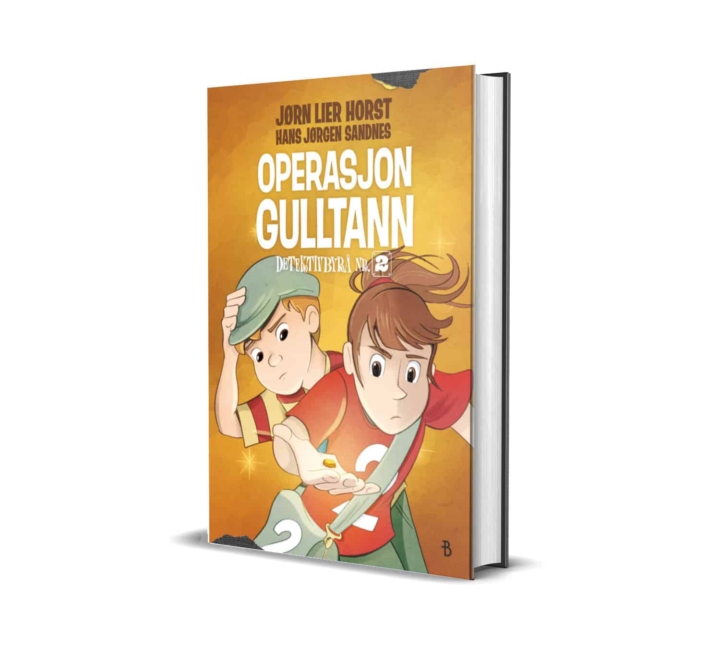
‘Operation Gold Tooth’ No. 1 in Norway
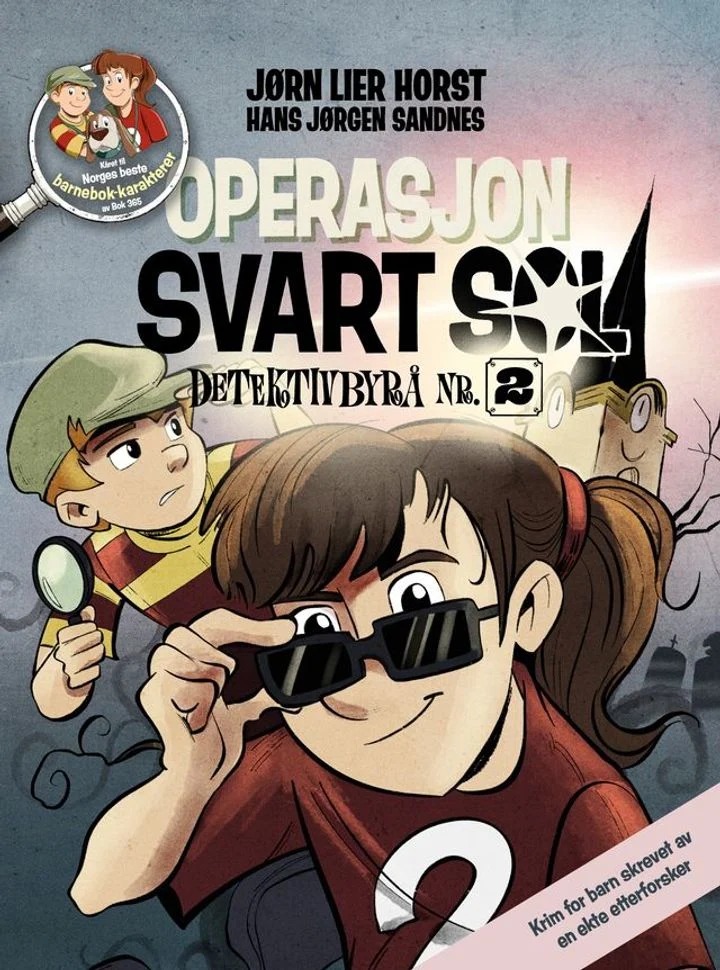
Operation Gold Tooth, the twenty-third installment in the Detective Agency No. 2 series, goes straight to No. 1 on the official bestseller list for children’s fiction in Norway.
Operation Gold Tooth, the twenty-third installment in the Detective Agency No. 2 series, goes straight to No. 1 on the official bestseller list for children’s fiction in Norway.
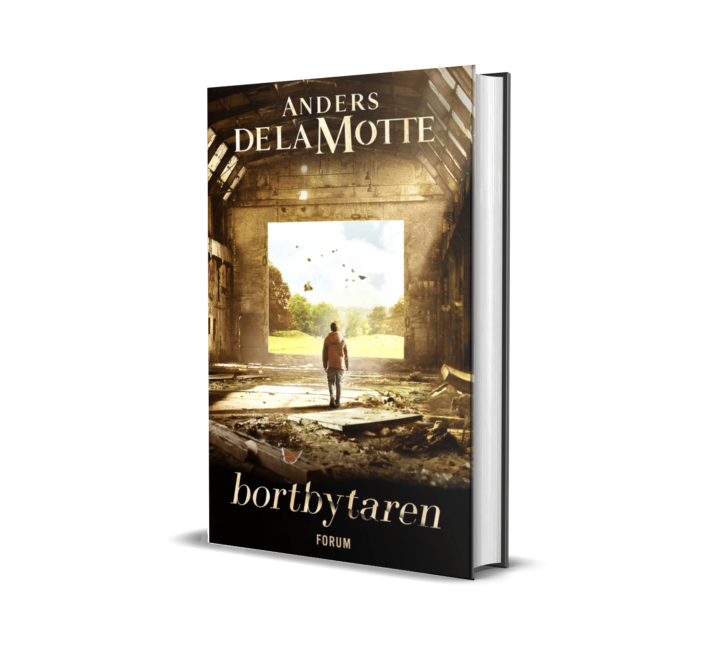
Criminal inspector Leonore Asker seems to have the leading position of Malmö’s Major Crime Division within reach. However, in the middle of a high-profile kidnapping case, management chooses to “promote” her to head of the so-called Department of Lost Souls, a unit for odd cases situated in the basement of the police station.
Despite the humiliation, Asker is drawn into one of the peculiar cases. Someone is placing small ominous figures in a model train scenery and one of them turns out to represent the kidnapped woman.
The case’s connections to abandoned places causes Asker to contact Martin Hill, lecturer in architecture with a strong interest in urban exploration. Soon Asker and Hill suspect that beyond the seemingly banal lurks an unusual kind of evil.
The Mountain King is the first installment in the Leo Asker series.
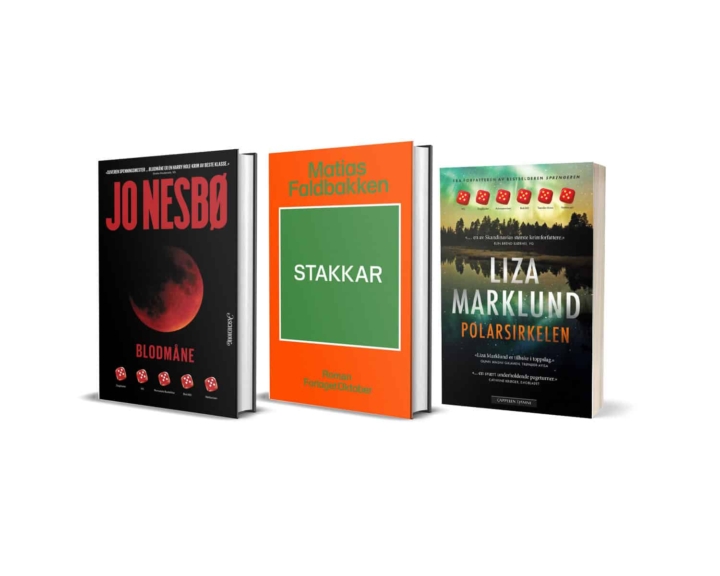
The official weekly bestseller lists in Norway see Jo Nesbø once more landing the No. 1 spot on the fiction list with Killing Moon, while Matias Faldbakken’s just published Poor Thing debuts at No. 4. Liza Marklund’s The Polar Circle meanwhile comes in at No. 5 in the paperback category.

The much-awaited second season of Snabba Cash premiered September 22 on Netflix to outstanding reviews.
“Sweden simply has the best gangster series of all time. /…/ Snabba Cash is again worth the money – and only increases in value. The Swedes have taken the lead, and now it’s up to everyone else to reach their level.”
– Soundvenue ★★★★★
“It feels. It hurts. Netflix’s Snabba Cash is a series that stays with you. /…/ So watch these six new episodes and experience Adam Kai’s breakthrough, and how Oskar Söderlund and Jesper Ganslandt, the series’ architects, chisel out a story that continues to take characters down the cliff that was the first season and is now extremely close to the abyss.”
– Expressen ★★★★
“Snabba Cash should be your next Netflix obsession. /…/ It’s the kind of show that grabs hold tight and doesn’t let go.”
– IndieWire
“Not a single word too many in the dialogue which really hits the mark. /…/ But above all, a note of desperation has crept its way in this time, which is impossible to look away from and truly channels reality. A Swedish tragedy in effective thriller packaging.”
– DN ★★★★
“Söderlund and Ganslandt’s work is outstanding. /…/ You will not be able to stay unaffected by this superb series!”
– Filmparadiset ★★★★
“I can assure you that you will not be disappointed. Söderlund continues to introduce fascinating, albeit tragic, individual destinies and Ganslandt’s direction still hits the mark.”
– Filmtopp.se ★★★★
“Script, direction, acting and environments are top notch. /…/ An incredibly tight thriller. /…/ Oskar Söderlund’s script is like a close-up handheld camera, the dialogue is incredible, the plot is like a severe covid infection: feverish, making the airways shrink and the heart pound fast.”
– TVdags ★★★★
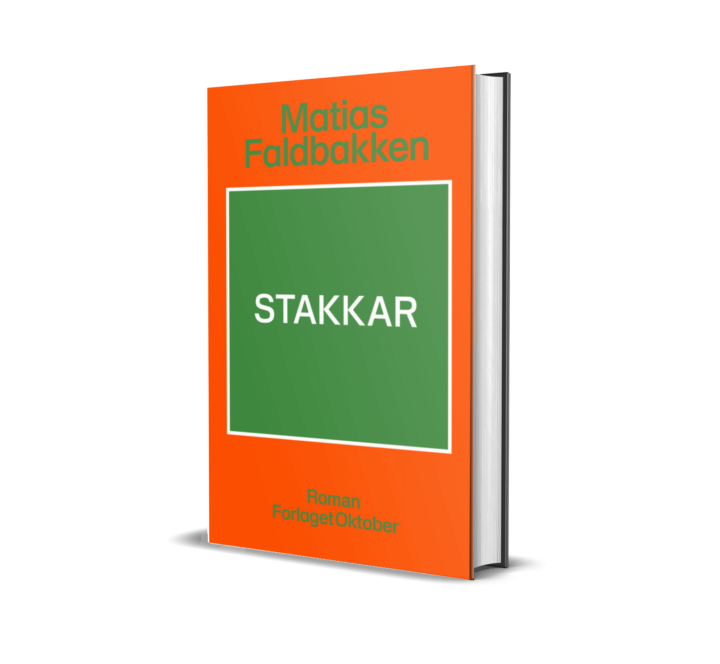
Once upon a time, not that long ago, a child came crawling out of the woods, poor thing. Climbing out from the ditch, it began to wander the graveled road. It was a sad sight to behold.
The child was scruffy and ugly. Its hair was tangled. The forehead contorted. A frightened look could be seen on its face, eyes darting above crusty nostrils. The lips were stiff and blue and the neck far too thin. A long cloth or tattered vest wrapped around its torso, and under it two skinny legs protruded, knees wider than both calves and thighs. The child wore no shoes. Its oversized feet resembled wet wool socks. From time to time, the knuckles of one hand would scrape the ground. And close to its ribs, the thin, hunched figure clutched a tattered folder, or perhaps an envelope, like an animal come out of the forest bearing a message.
The lonely foster boy Oskar works at Aud and Olav Blum’s mill for board and lodging. One day he discovers a child in the forest, an untamed cub, whom he captures and takes home. The child suffers from stunted growth and is almost completely mute, but under Oskar’s care, it begins to grow at breakneck speed.
Matias Faldbakken’s sixth novel, Poor Thing, is both a love fable and a coming-of-age story. It is written with great imagination, linguistic excess, and a distinctive mixture of passion and irony. The narrative alternates freely between realistic novel traditions, satire, romance, and folk tales, and several historical eras are in flux at the same time.
Poor Thing is an original, entertaining, and captivating novel about exclusion, loneliness, desire, and care. And all the while, the story poses the question: What is a trauma?
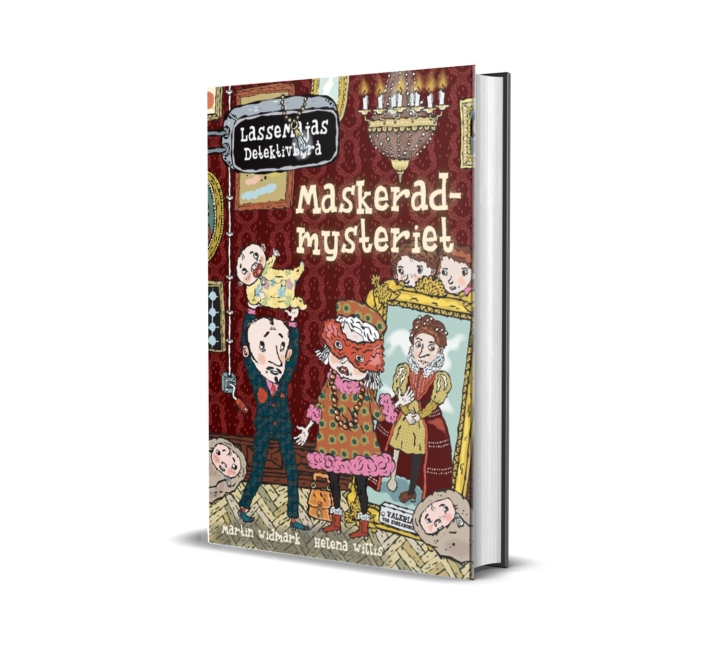
The thirty-first installment in Martin Widmark’s JerryMaya Detective Agency series, The Masquerade Mystery, is No. 1 also this week on the official Swedish bestseller list for children’s books.
Today it was revealed that Tarik Saleh’s film Boy from Heaven is Sweden’s submission for the Best International Feature Film Academy Award. The official Academy Awards nominations will be announced on January 24, 2023.
Earlier this year, Boy from Heaven won the prestigious Best Screenplay Award at the Cannes Film Festival.
Boy from Heaven will be released at Swedish theatres on November 18.
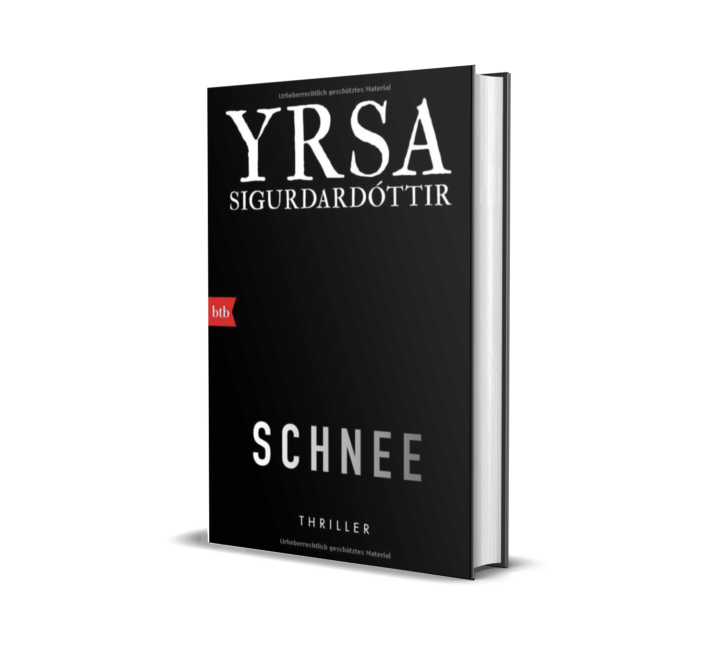
Yrsa Sigurdardóttir’s stand-alone novel The Prey continues to climb the German bestseller list and sails to No. 5 this week. This marks the novel’s third consecutive week on Der Spiegel’s list for trade paperback fiction.
In the twenty-third Detective Agency No. 2 title, Operation Gold Tooth, Oliver goes to see Tiril at their detective office, having discovered something suspicious. The padlock on the boom in front of the old mill is a fake! It doesn’t get any less mysterious when they find a gold tooth in the gravel. Who could the tooth have belonged to? And how did it end up here? The old sailor Captain Krogh is the only one Tiril and Oliver remember who had a gold tooth, but he died many, many years ago. There is no doubt that Detective Agency No. 2 must investigate this case further!
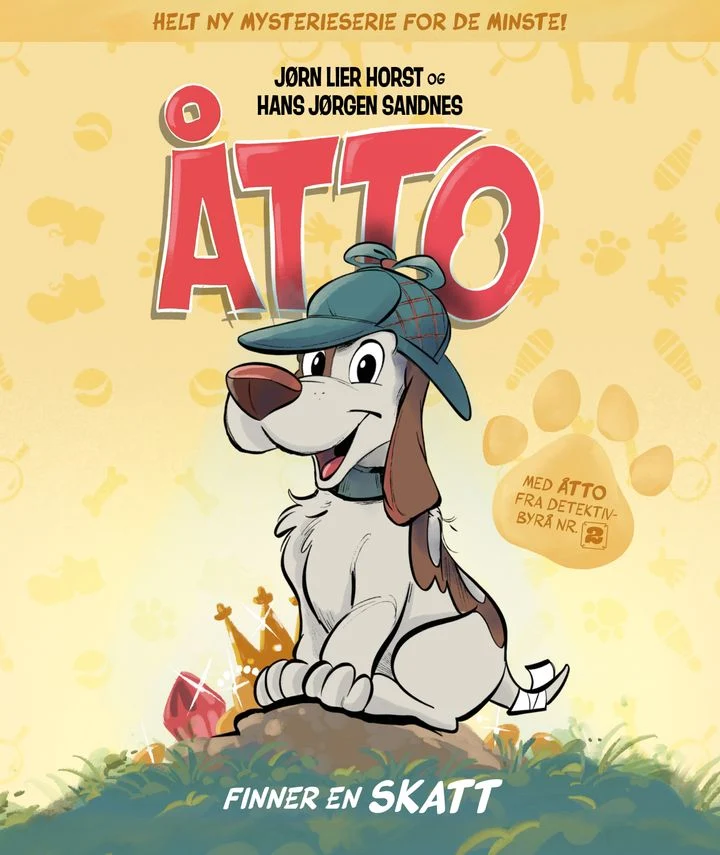
Jørn Lier Horst & Hans Jørgen Sandnes’ Detective Agency No. 2 series is crime fiction for the youngest – clever, engaging, and full of thrills! Join our heroes Tiril, Oliver and their dog Ocho as they solve mysteries that have even the adults of Riverton scratching their heads.
September 22 will see the worldwide premiere of the highly anticipated second season of the action drama Snabba Cash on Netflix. The first season was praised by viewers and critics alike, and fantastic reviews for the second season are now coming in.
Snabba Cash Season 2 is created by Oskar Söderlund and Jesper Ganslandt. Aron Levander and Mona Masri join in as episode writers. Jens Lapidus is the author behind the internationally bestselling novel that inspired the series.
Bulgaria, EMAS
Two-book deal closed by Emma Granberg
Greece, Memento
Closed by Emma Granberg
China, Beijing Science and Technology
Five-book deal closed by The Grayhawk Agency on behalf of Ida Schabbauer
Poland, Smak Slowa
Two-book deal closed by Julia Angelin
Lithuania, Pflaŭmbaŭm Publishing House
Closed by Emma Granberg
Germany, Hoffmann und Campe
Closed by Julia Angelin
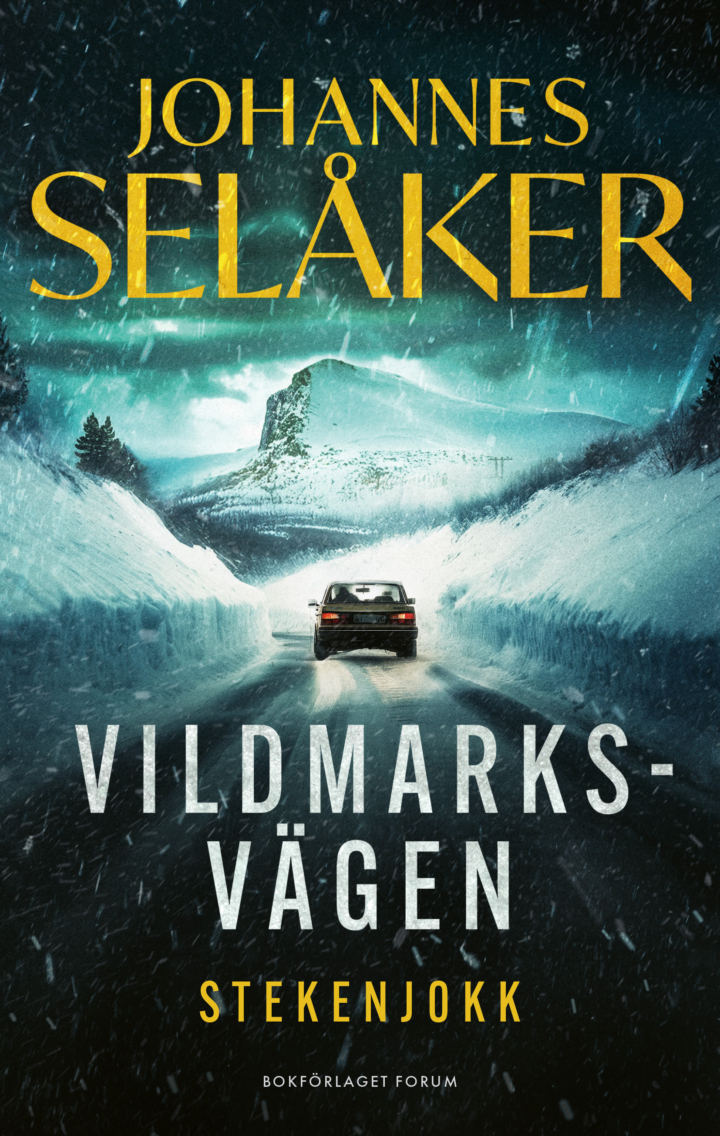
It’s a powerful opening. In just a few pages, Selåker paints a portrait of a deeply flawed man on the verge of breaking point, while also capturing loneliness so vividly that the silence inside the house seems to scream from the pages. /…/ I’m looking forward to returning to the Wilderness Road and its surroundings, which Selåker portrays with a sharp eye in this dark and compelling first installment.
– Göteborgs-Posten
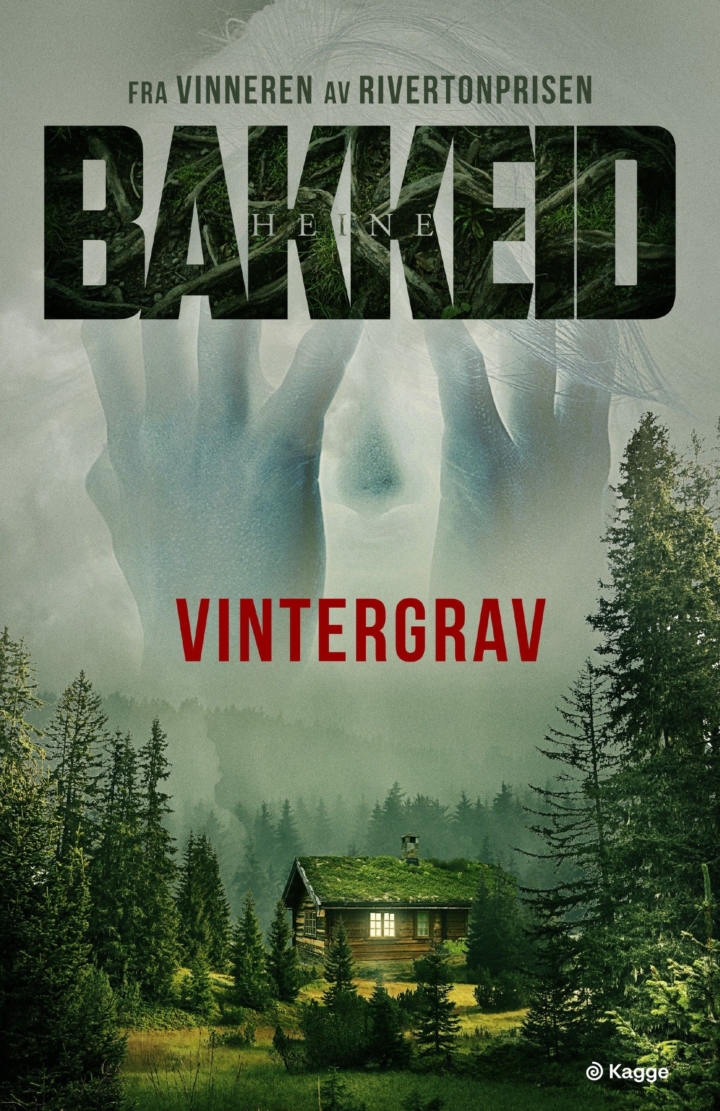
[A] brilliant thriller. /…/ [Winter Grave] is unsettling, occasionally hilarious and constantly thrilling. /…/ I make no secret of the fact I’m a fan of Heine Bakkeid’s writing (…). Winter Grave is also dark noir on an elite level.
– Harstad Tidene
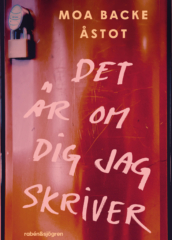
You’re the One I Write About tells a tale as old as time. But it does so with fire and not without finesse. /…/ The result is a book you can read during a free period, but will carry with you much longer. Why? Perhaps because Åstot succeeds in capturing exactly how words fall between young people in this moment.
– Expressen
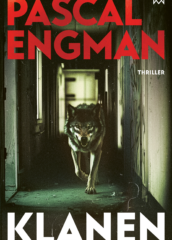
The Clan /…/ is recommended for anyone looking for a hard-hitting, contemporary thriller that delves into themes of power, loyalty, and violence.
– Münchner Merkur
The most gripping thriller of the summer.
– Frankfurter Rundschau
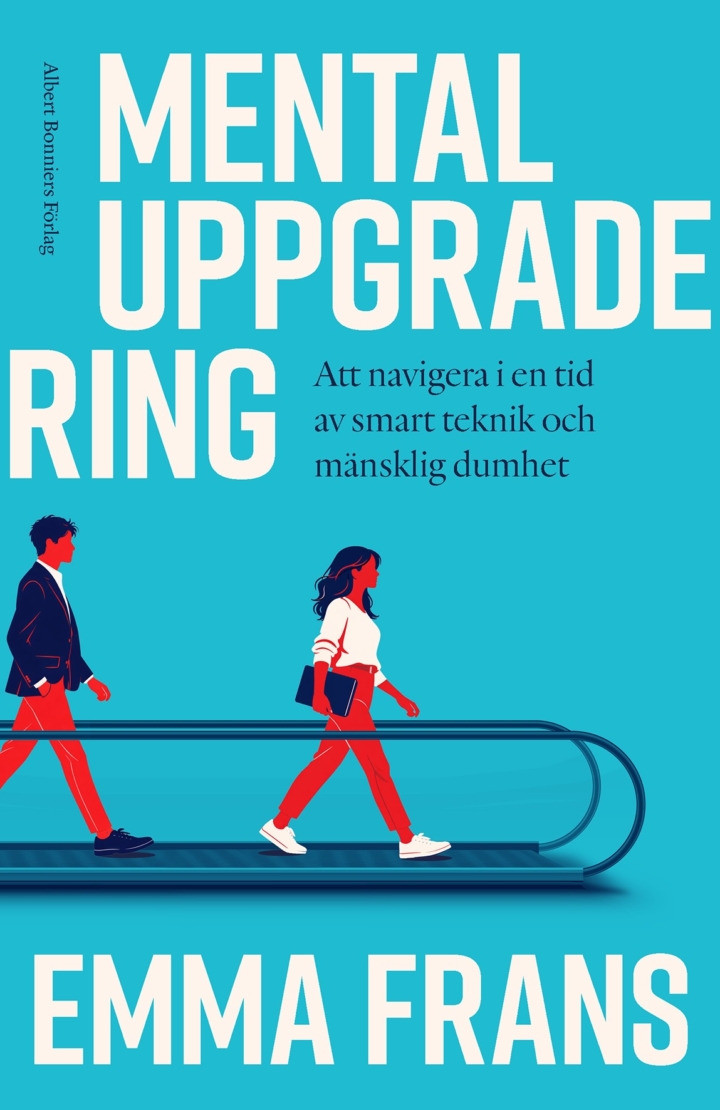
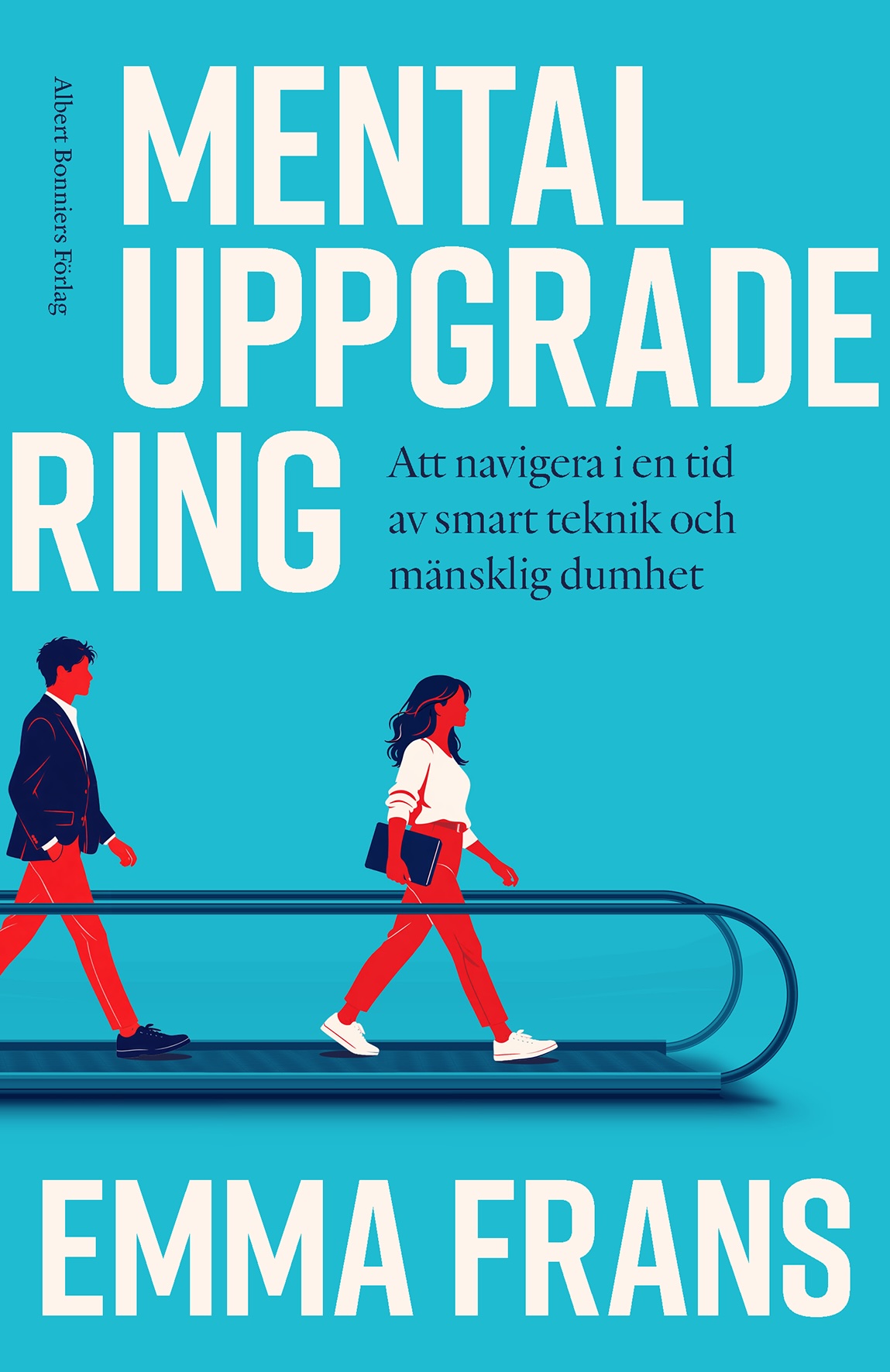
Machines are getting smarter while humans seem to have succumbed to brain rot. Tasks that once required human brainpower are increasingly being handled by AI. But what happens to our brains when we stop making an effort?